ScreenCell® Technology
Trusted by leading research institutions
ScreenCell® is a simple and rapid liquid biopsy method for isolating circulating tumor cells (CTCs) from a single blood sample in patients with solid tumors.
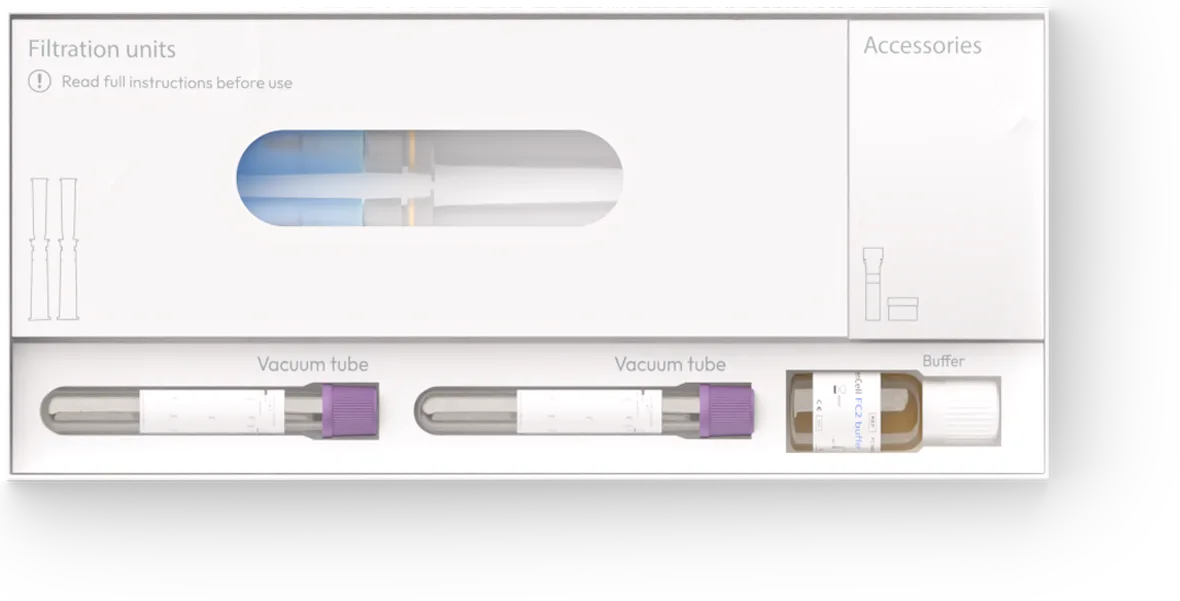
It is available in 7 single-use CTC isolation kits, each designed for specific downstream applications and supplied with tailored protocols.
Unlike antibody-based methods that rely on the expression of specific biomarkers such as EpCAM, ScreenCell® isolates circulating tumor cells using a morphology-based microfiltration approach.
This approach enabled the capture of a broader spectrum of circulating tumor cells (CTCs), including subpopulations that have undergone epithelial-mesenchymal transition (EMT) and exhibit reduced marker expression.
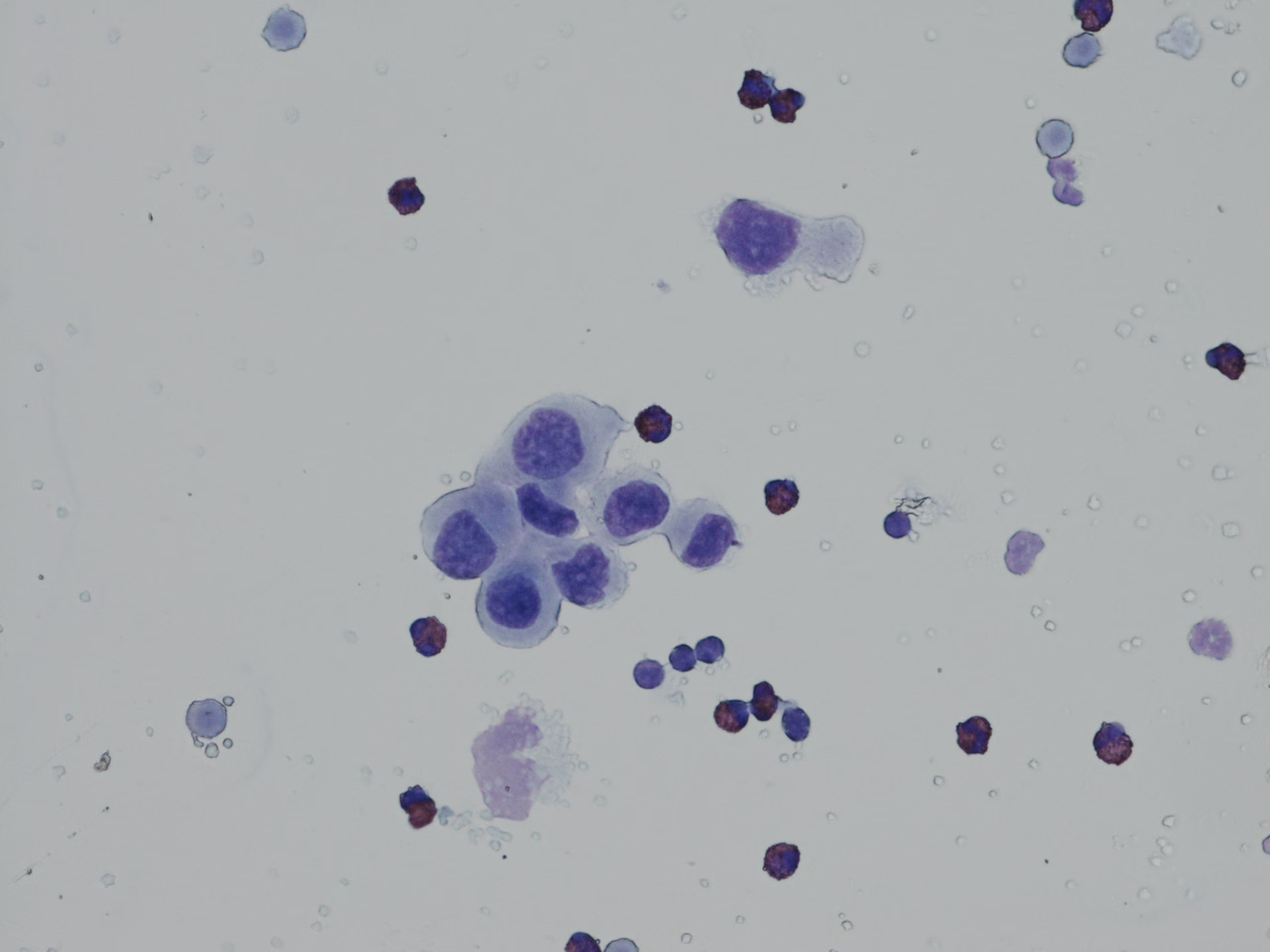
ScreenCell® technology enables CTC enrichment in under 10 minutes thanks to its ease of use.
This speed allows CTC teams to quickly access their enriched samples and consider further analysis on the same day as collection.
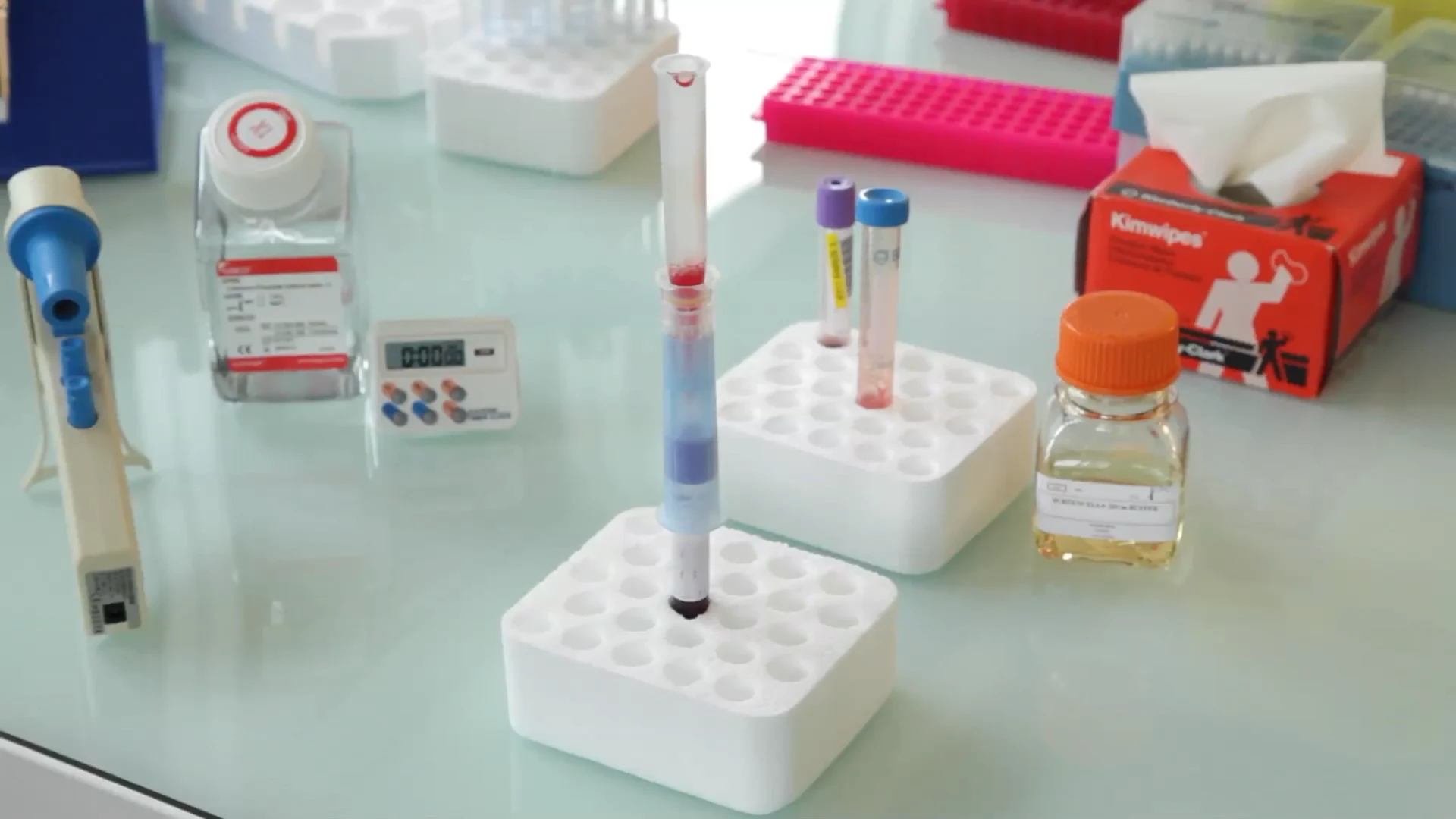
Unlike some CTC enrichment platform that rely on complex instrumented platforms, ScreenCell® requires no dedicated equipment.
This approach allows for rapid implementation of the technology in laboratories, while minimizing installation and maintenance costs. Researchers can thus begin their work on circulating tumor cells without significant hardware investment.
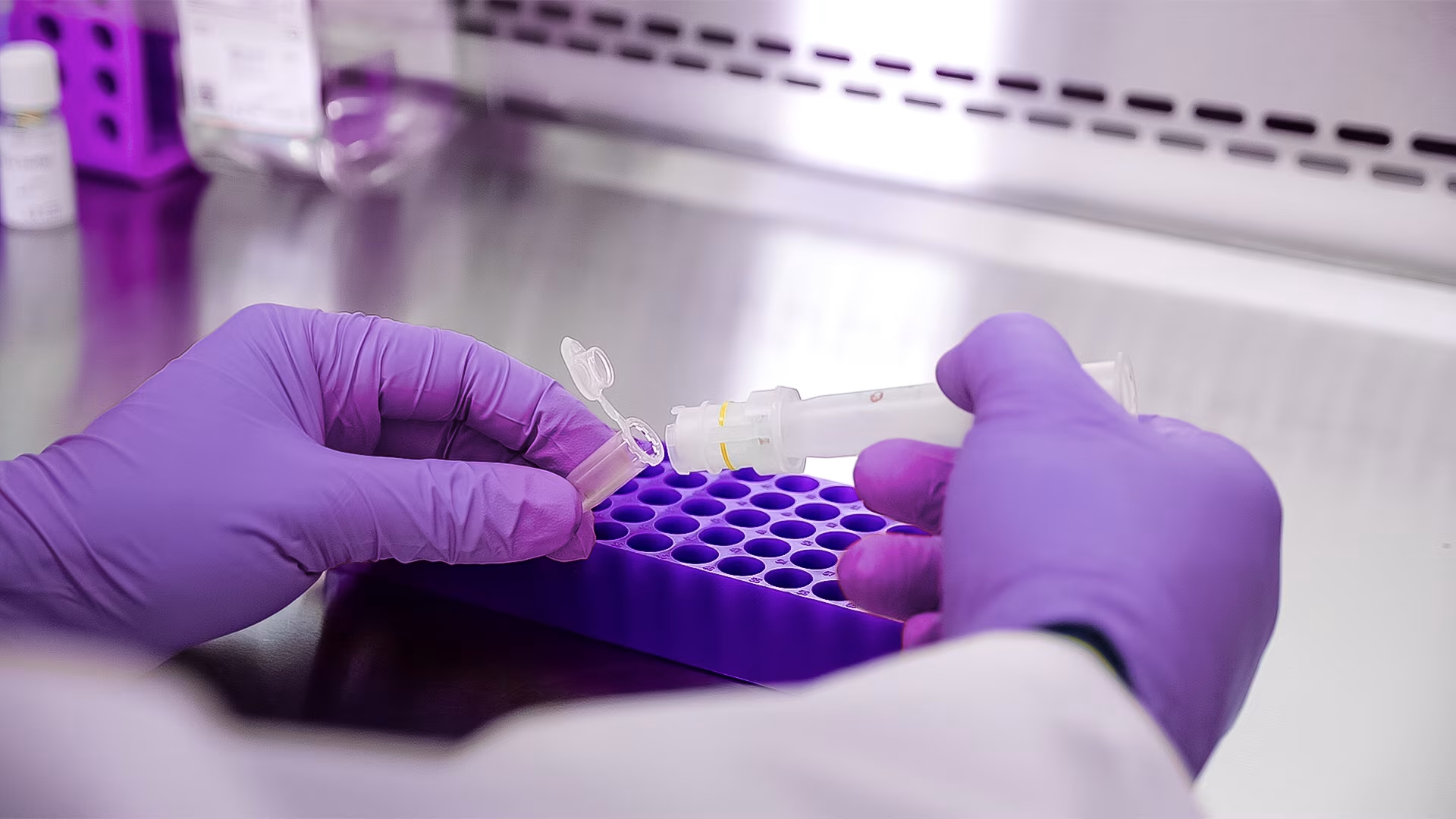
Thanks to the MB filtration unit, ScreenCell® technology enables the recovery of viable CTCs after isolation. This capability opens the door to numerous research applications, including two-dimensional (2D) and three-dimensional (3D) cell culture.
The recovered cells can also be used for molecular biology analyses. Extracting DNA or RNA from enriched CTCs allows, in particular, the detection and characterization of clinically relevant mutations, such as EGFR or KRAS, using sensitive techniques like ddPCR.
ScreenCell® technology is fast and easy to use, which improves efficiency for performing downstream analyses on the sample and could also be suitable for future clinical translation.
What we appreciate is that we obtain results (cytomorphology and enumeration) in less than 1.5 hours, allowing us to quickly assess the patient’s profile and determine which downstream analyses can be carried out the same day.
Agathe COHENDET
Doctoral student at the Centre de Recherche en Cancérologie de Marseille (CRCM)
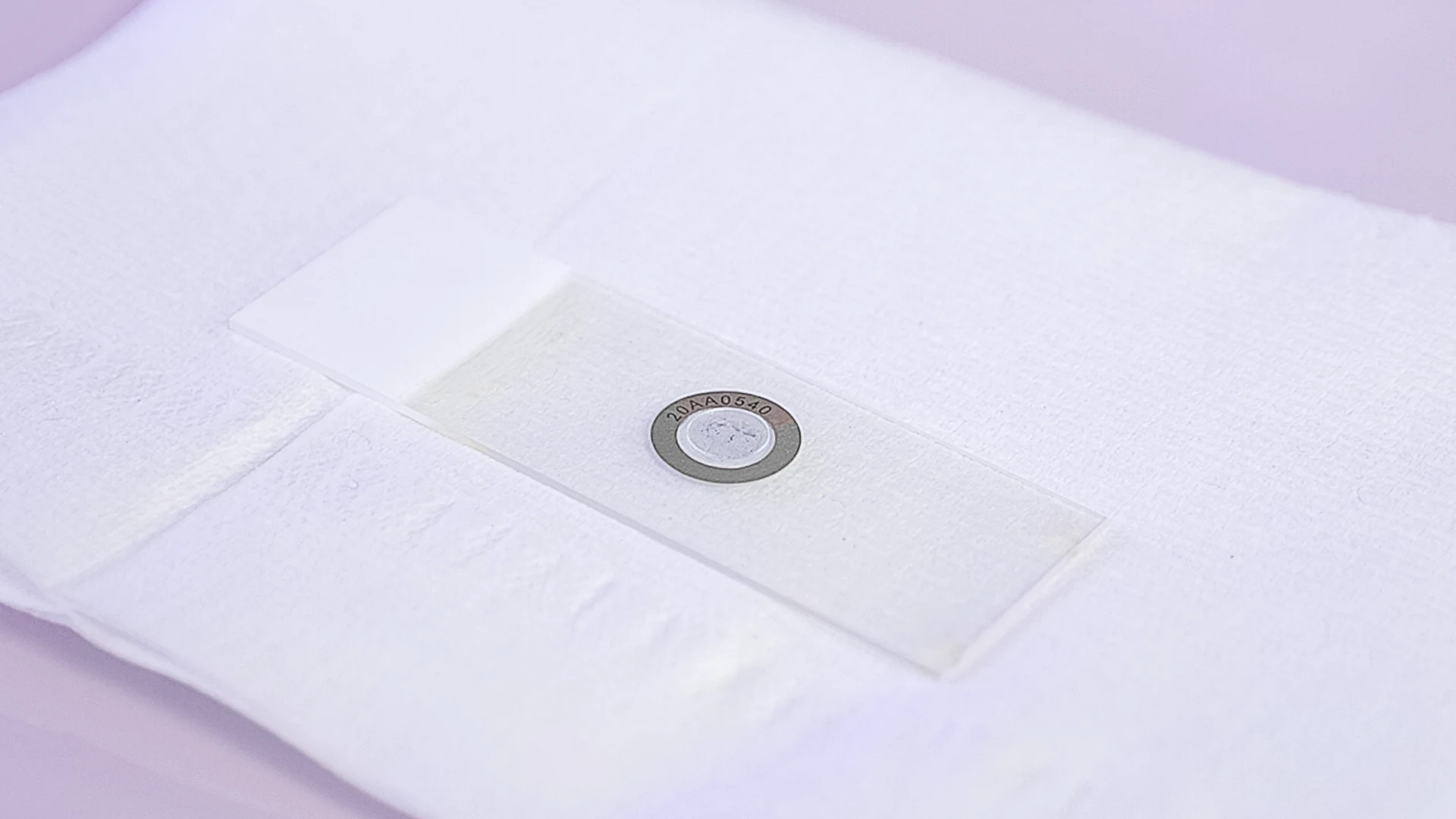
ScreenCell® CTC isolation system offers several workflows for analyzing circulating tumor cells, allowing researchers to choose the approach best suited to their research project.
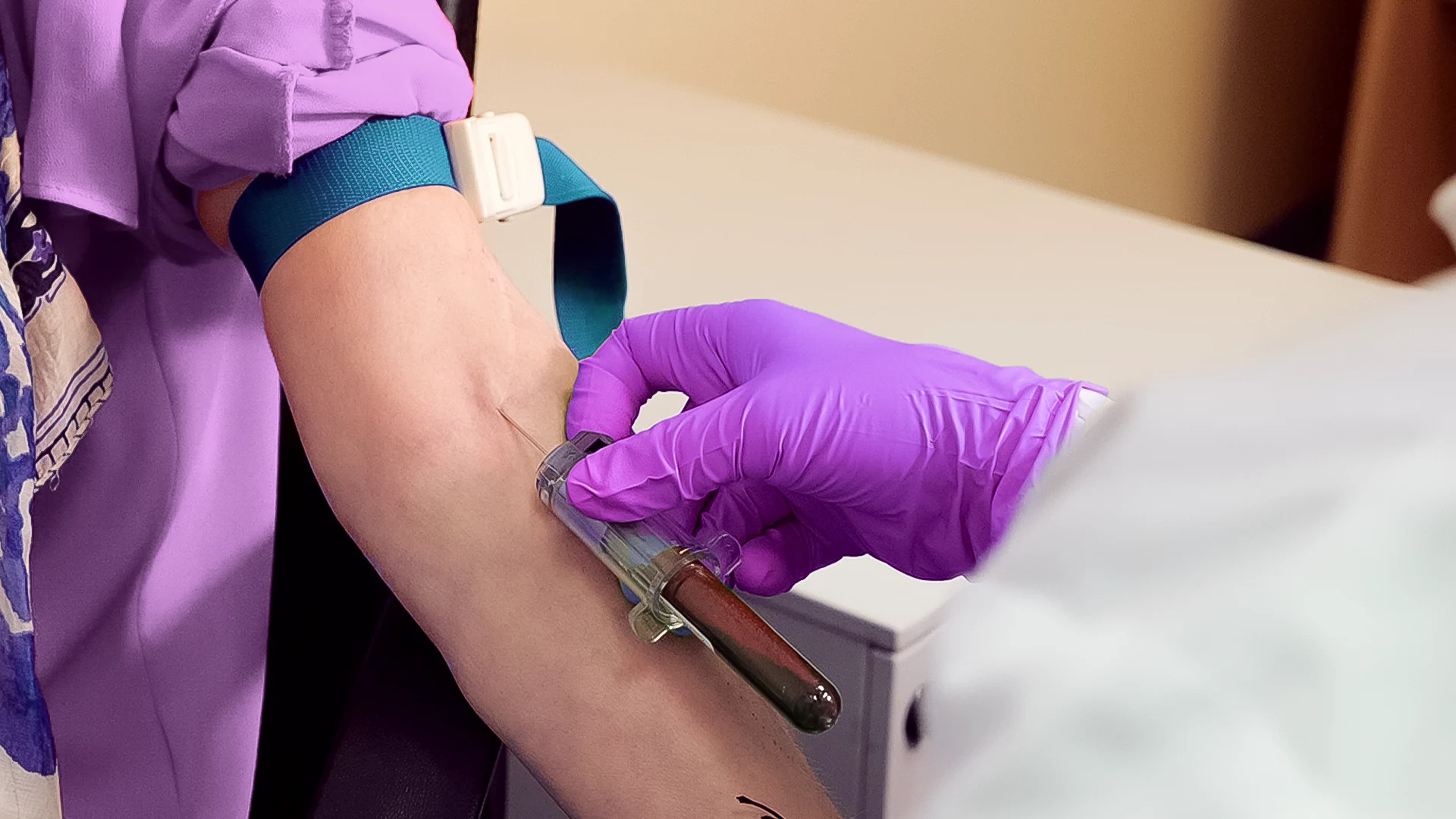
Blood sample preparation
Whole blood filtration with ScreenCell®
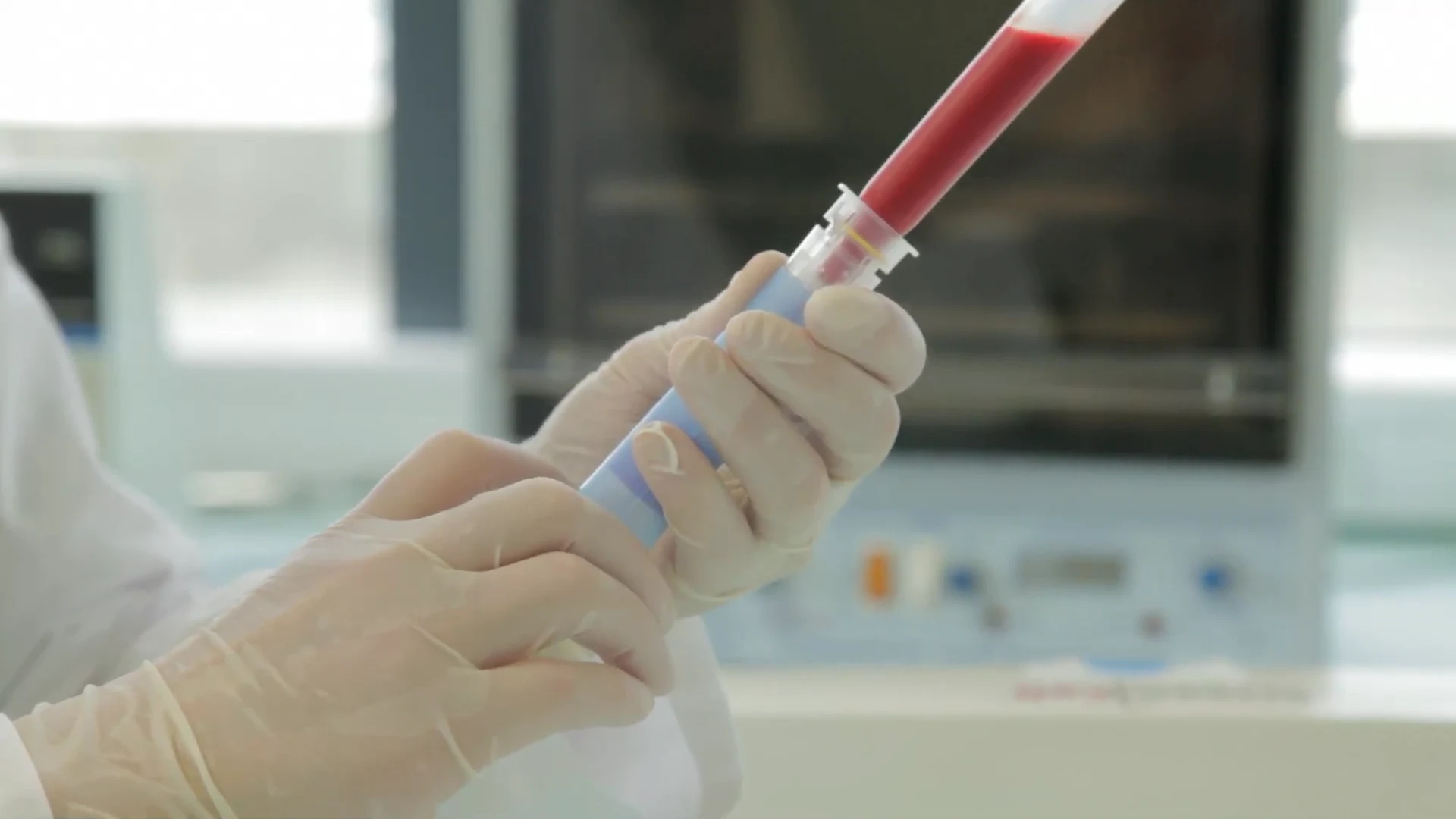
Ejection of the isolation support with the CTCs
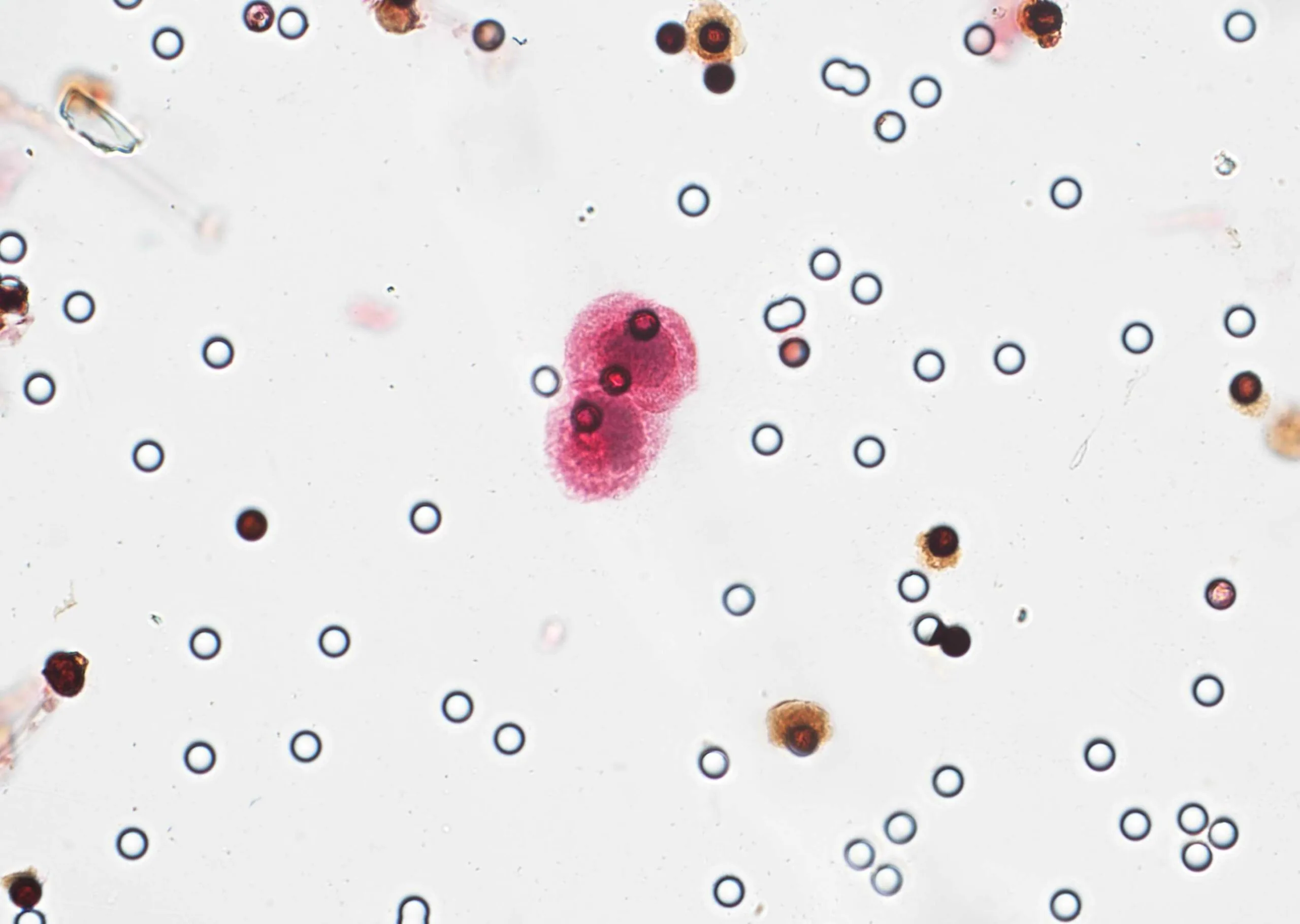
CTC enumeration and cytomorphological analysis
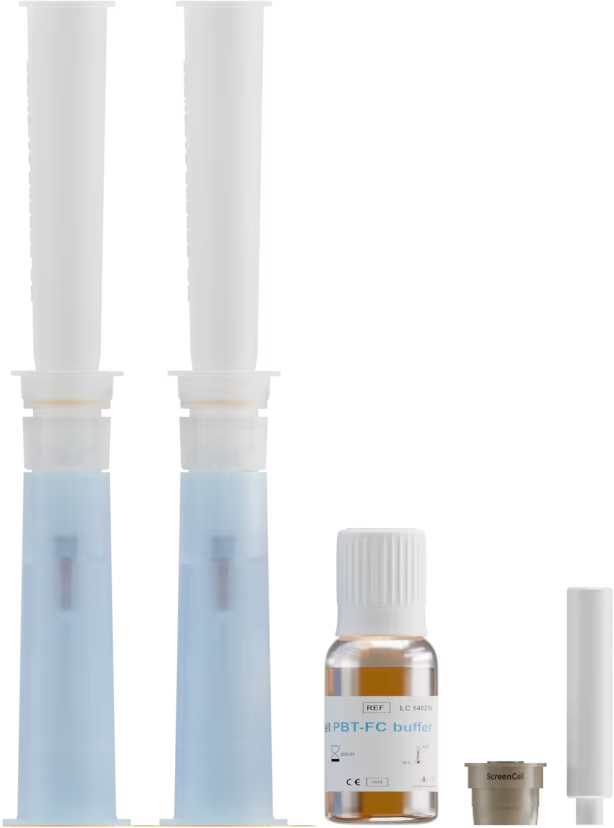
Explore the full range of ScreenCell® CTC isolation kits, each specifically designed to meet the diverse needs of liquid biopsy applications.
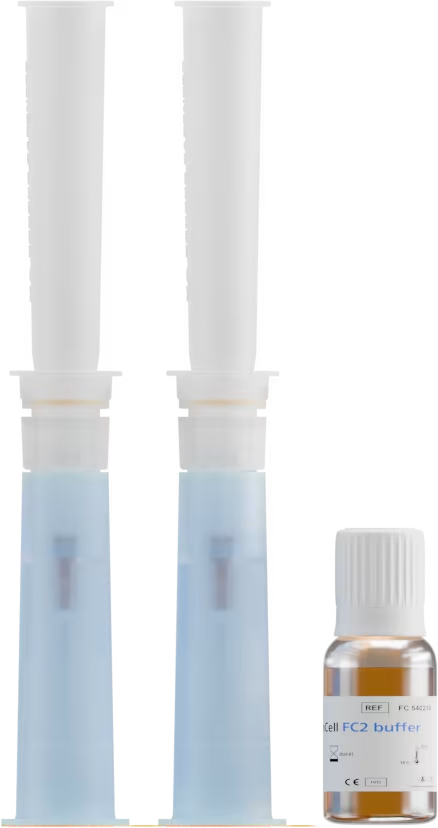
Blood draw
< 4 hours
Fixed CTCs
on the isolation support

Blood draw
4 hours > 3 days
Fixed CTCs
on the isolation support
Blood draw
4 hours > 3 days
Fixed CTCs
in suspension
or
Fixed CTCs
on microscope slide
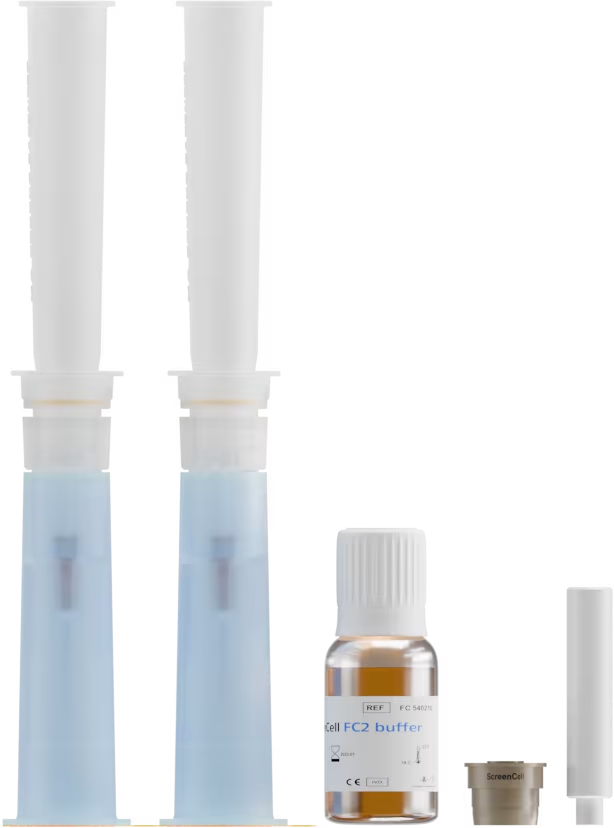
Blood draw
< 4 hours
Fixed CTCs
in suspension
or
Fixed CTCs
on microscope slide
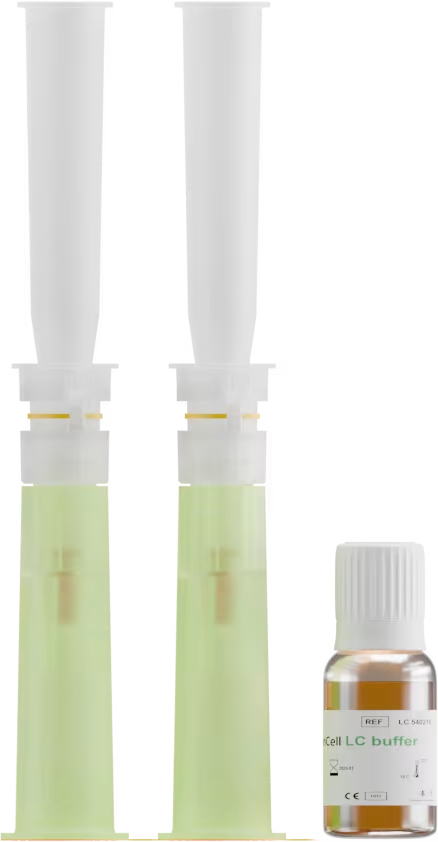
Blood draw
< 4 hours
Viable CTCs
on the isolation support
Blood draw
4 hours > 3 days
Fixed CTCs
on the isolation support

Blood draw
< 4 hours
Viable CTCs
in suspension
Blood draw
< 4 hours
Viable CTCs
on the isolation support
Blood draw
< 4 hours
Viable CTCs
in suspension
Find answers to your questions. In this section, you will find all the frequently asked questions about our CTC isolation system.
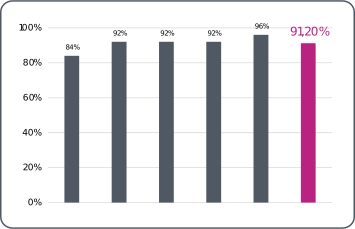
Our ScreenCell® CYTO device achieves a recovery rate of over 90% in a low-cell-concentration scenario where only 5 tumor cells are added to blood samples.
This performance is supported by in vitro validation studies designed to evaluate the sensitivity of ScreenCell technology.
ScreenCell® technology is designed for the detection and characterization of circulating tumor cells (CTCs) derived from solid tumors, such as breast, lung, prostate, and colon cancers. To date, it has been successfully tested across 16 different cancer types.
However, our isolation method is not suitable for hematological cancers, such as leukemia or lymphoma. These conditions directly affect the blood or lymphatic organs without the formation of solid tumors.
Nevertheless, one of our clients has reported promising results in the context of multiple myeloma, suggesting new potential applications:
Shifrin, Y., Alikhah, A., Husain, Z., Nguyen, M., Baslik, A., Dyck, D., … Mai, S. (2026). Isolation and profiling of single circulating tumor cells in myeloma: a new workflow for liquid biopsies. BioTechniques, 78(1–12), 123–136. https://doi.org/10.1080/07366205.2026.2645352
The ScreenCell® CTC enrichment method is primarily designed for blood samples. However, as it relies on a filtration principle based on size and morphology, it can theoretically be applied to other biological fluids, such as urine, cerebrospinal fluid (CSF), or tumor-associated fluids.
In internal research, ScreenCell investigated CTC enrichment from ascites (a non-blood fluid found in the abdominal cavity). Although CTC isolation was successfully achieved, our results did not demonstrate any clear added value compared to CTC detection in blood.
Yes, it is entirely possible to isolate circulating tumor cells (CTCs) from mouse models using ScreenCell® technology.
Murine CTCs can be efficiently enriched starting from small blood volumes, typically ranging from 50 µL to 500 µL of mouse blood, making the method well-suited for preclinical studies and longitudinal sampling in experimental cancer models.
After filtration, several downstream applications can be performed directly on the captured cells, including cytomorphological analysis and CTC enumeration. If working with viable cells, it is also possible to extract DNA or to culture the cells for further functional studies.
This application has been demonstrated in an internal publication showing the robustness and performance of the ScreenCell® technology for murine CTC isolation:
Ye, F., Wechsler, J., Bouzidi, A. et al. *Fast and efficient isolation of murine circulating tumor cells using ScreenCell technology for pre-clinical analyses.* Scientific Reports 14, 15019 (2024). https://doi.org/10.1038/s41598-024-66032-x
No, you do not need to go through a distributor to use ScreenCell® CTC isolation kits in your research projects.
You can order directly from ScreenCell, without any intermediary. Researchers and laboratories can contact us directly via our website by submitting a request for quotation, or by reaching out through our general contact email address “[email protected]“.
Our team will then assist you with pricing, ordering, and any technical questions or inquiries regarding downstream analyses compatible with our CTC detection method.
Consult the latest scientific publications in which our CTC enrichment method has been used.